Total population
1,357,890 2023 Census
The division’s administrative and commercial centre: a fertile agricultural district centred on Bannu City, historically serving as the gateway to the former tribal districts. Its economy is driven by agriculture, livestock, trade, transport, small-scale manufacturing, and public services. This page summarises district statistics, services, elected representation, and priority development challenges.
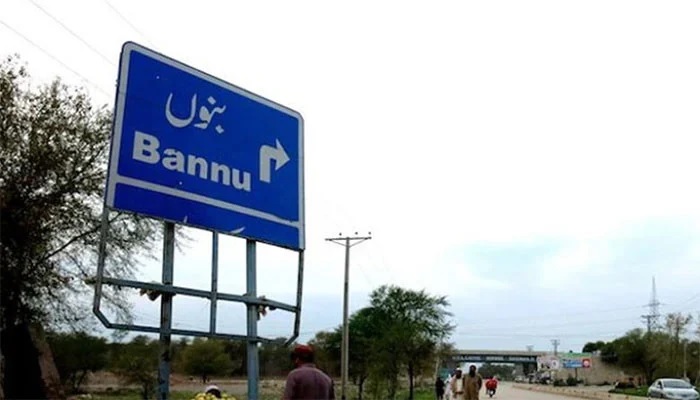
1,357,890 2023 Census
1,972 km²
6 tehsils · 46 union councils
| Indicator | Value |
|---|---|
| Total population (2023 Census) | 1,357,890 |
| Total area | 1,972 km² |
| Tehsils | 06 |
| Union councils | 46 |
| Distance from Peshawar | ~192 km |
| Adult literacy (15+) | 49% |
| Out-of-school children (5–16) | 39% |
| Police stations | 09 |
| Type | Count |
|---|---|
| Schools (all levels) | 1,999 |
| Colleges | 20 |
| Higher Education Department count | 18 |
| Facility type | Count |
|---|---|
| DHQ hospital | 01 |
| Type-D hospitals | 02 |
| RHCs | 02 |
| BHUs | 09 |
| Civil dispensaries | 23 |
| Total facilities | 37 |
| Measure | Value |
|---|---|
| Police stations (district total) | 09 |
Tehsil-wise breakdown is not available in the source data; a district-wide total is shown.
| Measure | Notes |
|---|---|
| Civil courts (by tehsil) | Not specified in available district source data. |
Based on listed MNAs (NA-39) and MPAs (PK-99–PK-102).
Adult literacy (15+) and out-of-school children (5–16) are shown as percentages. Further detail is in the priority sections below.
| Member | Constituency | Name (Party) |
|---|---|---|
|
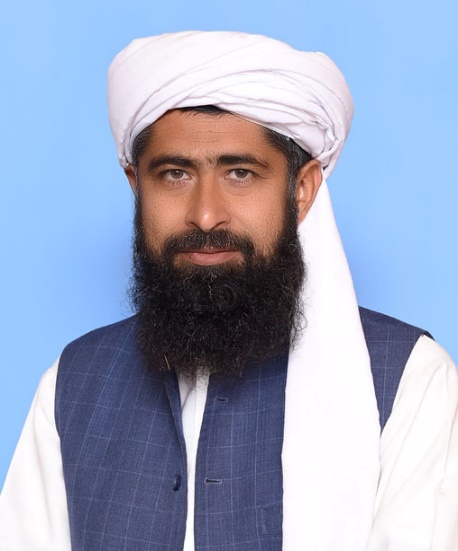
NA-39 Bannu | Mr. Nasim Ali Shah (Independent) |
| Member | Constituency | Name (Party) |
|---|---|---|
|
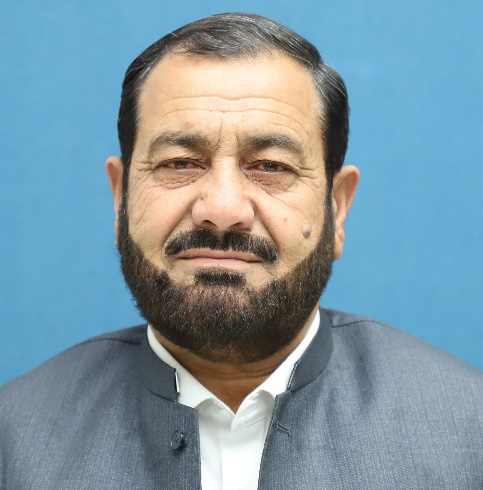
PK-99 Bannu-I | Zahid Ullah Khan (Independent) |
|
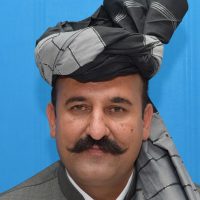
PK-100 Bannu-II | Pakhtoon Yar Khan (Independent) |
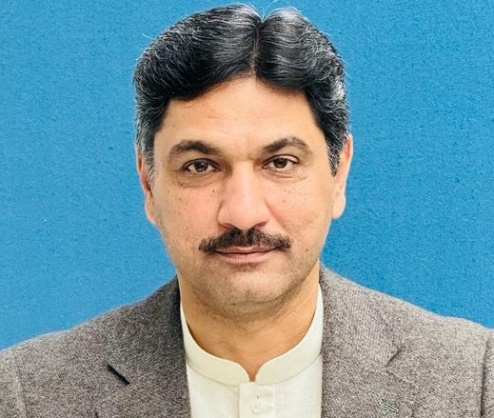
|
PK-101 Bannu-III | Adnan Khan (JUI-F) |
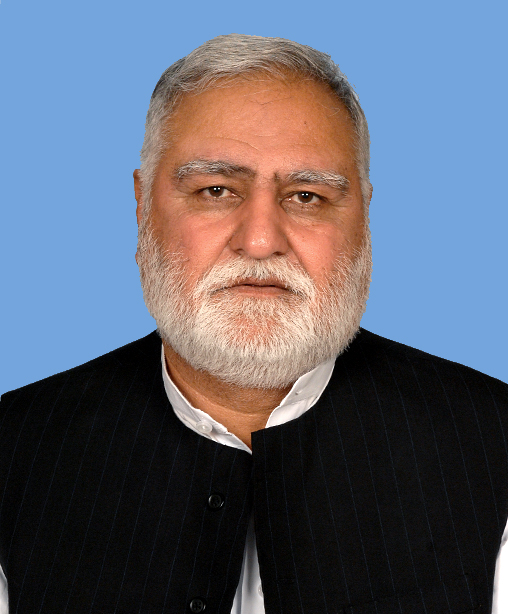
|
PK-102 Bannu-IV | Akram Khan Durrani (JUI-F) |
The N-55 and regional roads connecting Bannu City with surrounding areas remain in poor condition, and rural roads are especially degraded, raising transport costs and limiting access to markets and services.
Water shortages persist in Bannu City, Miryan, Kakki, and Baka Khel, with inadequate infrastructure for reliable drinking and irrigation supply.
Specialized healthcare remains limited in remote areas such as Baka Khel and Miryan, straining the district’s single DHQ hospital and Type-D facilities.
Limited industry and private investment constrain job creation, pushing the district’s workforce toward agriculture, informal trade, and out-migration.
Water scarcity, groundwater depletion, land degradation, and seasonal flooding continue to affect agricultural productivity and rural livelihoods across the district.