Total population
1,040,856 2023 Census
The division’s southern agricultural district: a predominantly plain landscape centred on Lakki Marwat City, serving as a strategic link between Khyber Pakhtunkhwa’s settled districts and the south. Its economy is driven by agriculture, livestock, trade, transport, and small-scale industries. This page summarises district statistics, services, elected representation, and priority development challenges.
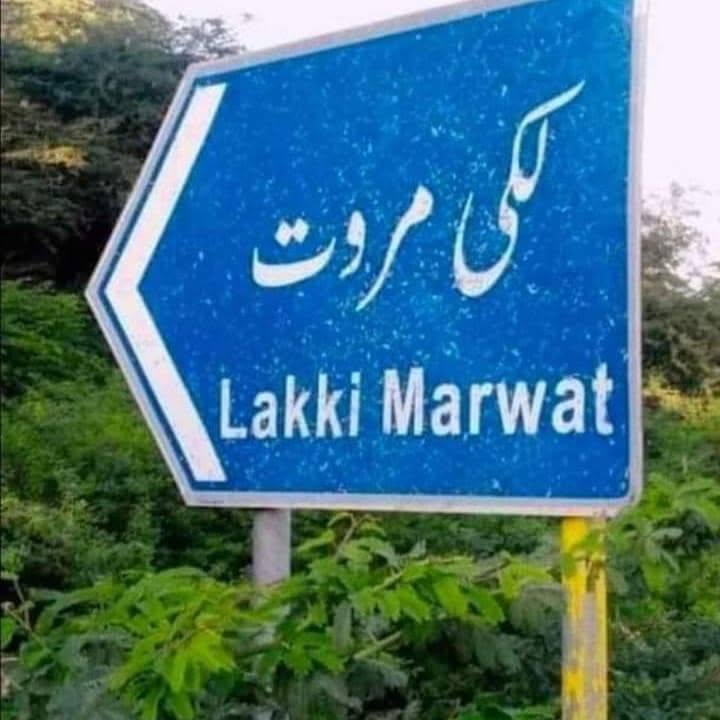
1,040,856 2023 Census
3,164 km²
4 tehsils · 34 union councils
| Indicator | Value |
|---|---|
| Total population (2023 Census) | 1,040,856 |
| Total area | 3,164 km² |
| Tehsils | 04 |
| Union councils | 34 |
| Distance from Peshawar | ~290 km |
| Adult literacy (15+) | 53% |
| Out-of-school children (5–16) | 36% |
| Police stations | 06 |
| Type | Count |
|---|---|
| Schools (all levels) | 1,076 |
| Colleges | 10 |
| Higher Education Department count | 9 |
| Facility type | Count |
|---|---|
| DHQ hospital | 01 |
| Type-D hospital | 01 |
| RHCs | 05 |
| BHUs | 27 |
| Civil dispensaries | 07 |
| MCH centres | 02 |
| Sub Health Centers | 02 |
| Total facilities | 45 |
| Measure | Value |
|---|---|
| Police stations (district total) | 06 |
Tehsil-wise breakdown is not available in the source data; a district-wide total is shown.
| Measure | Notes |
|---|---|
| Civil courts (by tehsil) | Not specified in available district source data. |
Based on listed MNAs (NA-41) and MPAs (PK-105–PK-107).
Adult literacy (15+) and out-of-school children (5–16) are shown as percentages. Further detail is in the priority sections below.
| Member | Constituency | Name (Party) |
|---|---|---|
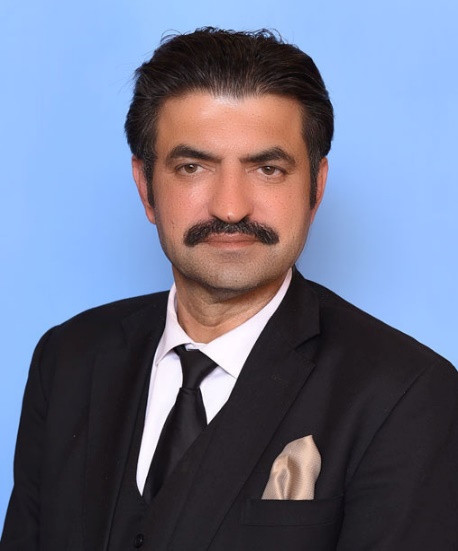
|
NA-41 Lakki Marwat | M. Sher Afzal Khan |
| Member | Constituency | Name (Party) |
|---|---|---|
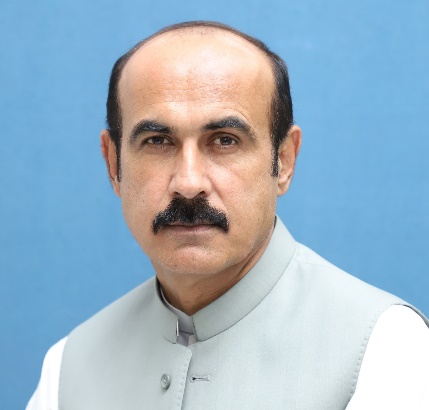
|
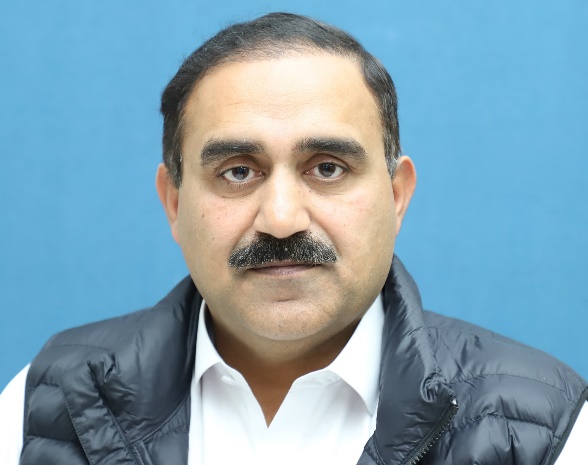
PK-105 Lakki Marwat-I | Johar Muhammad (Independent) |
|
PK-106 Lakki Marwat-II | Hisham Inam Ullah Khan (PML-N) |
|
PK-107 Lakki Marwat-III | Tariq Saeed (Independent) |
The N-55 corridor and rural roads are poorly maintained, particularly during the rainy season, disrupting movement of people and agricultural produce.
Groundwater depletion and inadequate water-supply infrastructure affect both drinking water access and irrigation reliability across the district.
Specialized healthcare remains limited in remote areas, with the district relying on one DHQ hospital, one Type-D hospital, and a network of RHCs and BHUs.
Limited industry and private investment leave youth unemployment high, with most livelihoods tied to agriculture, livestock, and informal trade.
Water scarcity, drought, land degradation, and seasonal flooding continue to threaten crop yields and rural livelihoods.